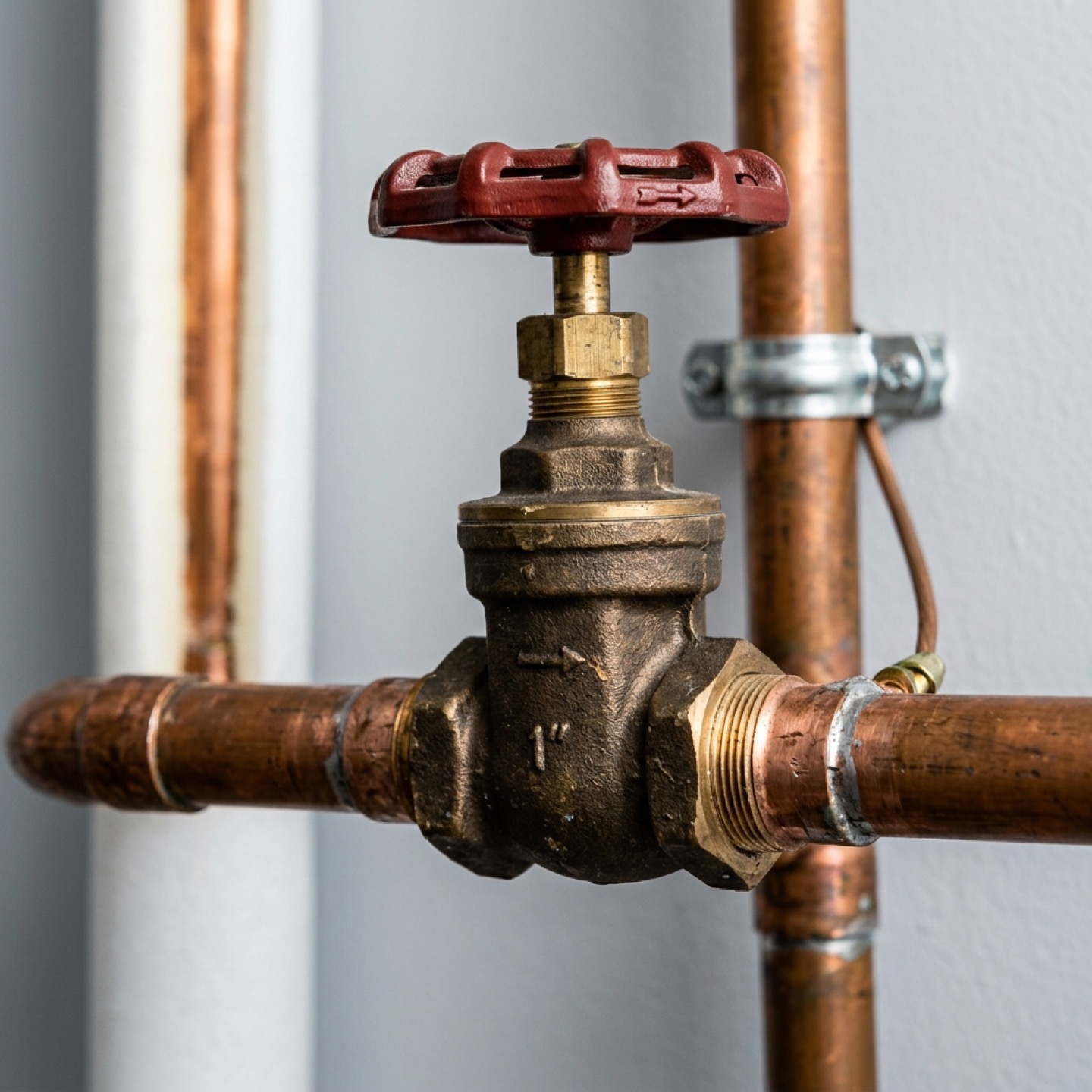
Stopping a leak and addressing the wet materials are related tasks. The EPA’s home moisture and mold guide emphasizes prompt drying and source correction. Its 24–48 hour guidance describes a prevention goal, not a guarantee that mold will or will not occur on a particular schedule.
Keep the source and materials in the scope
Explain whether the plumbing has been repaired or outdoor water entry remains possible. Ask which materials are wet and whether hidden cavities, flooring layers and cabinetry need assessment. A dry surface can coexist with moisture elsewhere in an assembly.
Ask how drying will be checked
Request a clear equipment and monitoring plan with documented completion criteria. Ask how the assessor will compare readings and verify the materials in the affected area. Do not assume that running a household fan or dehumidifier proves completion.
Know when the task needs professional evaluation
Extensive damage, an unknown or contaminated water source, or a substantial mold concern changes the questions to ask. Keep occupants away from unsafe affected areas and seek an appropriate assessment. Do not mix cleaners or attempt to disturb suspected mold based on a web article.
Prepare the follow-up questions
- Has the moisture source been corrected?
- Which materials were dried, removed or left for further evaluation?
- What measurements and photographs document the outcome?
- Which rebuilding tasks and future inspections are outside this scope?
Keep the findings with the repair and mitigation records. This guide is not a diagnosis or a promise that a treatment will eliminate every future moisture problem.